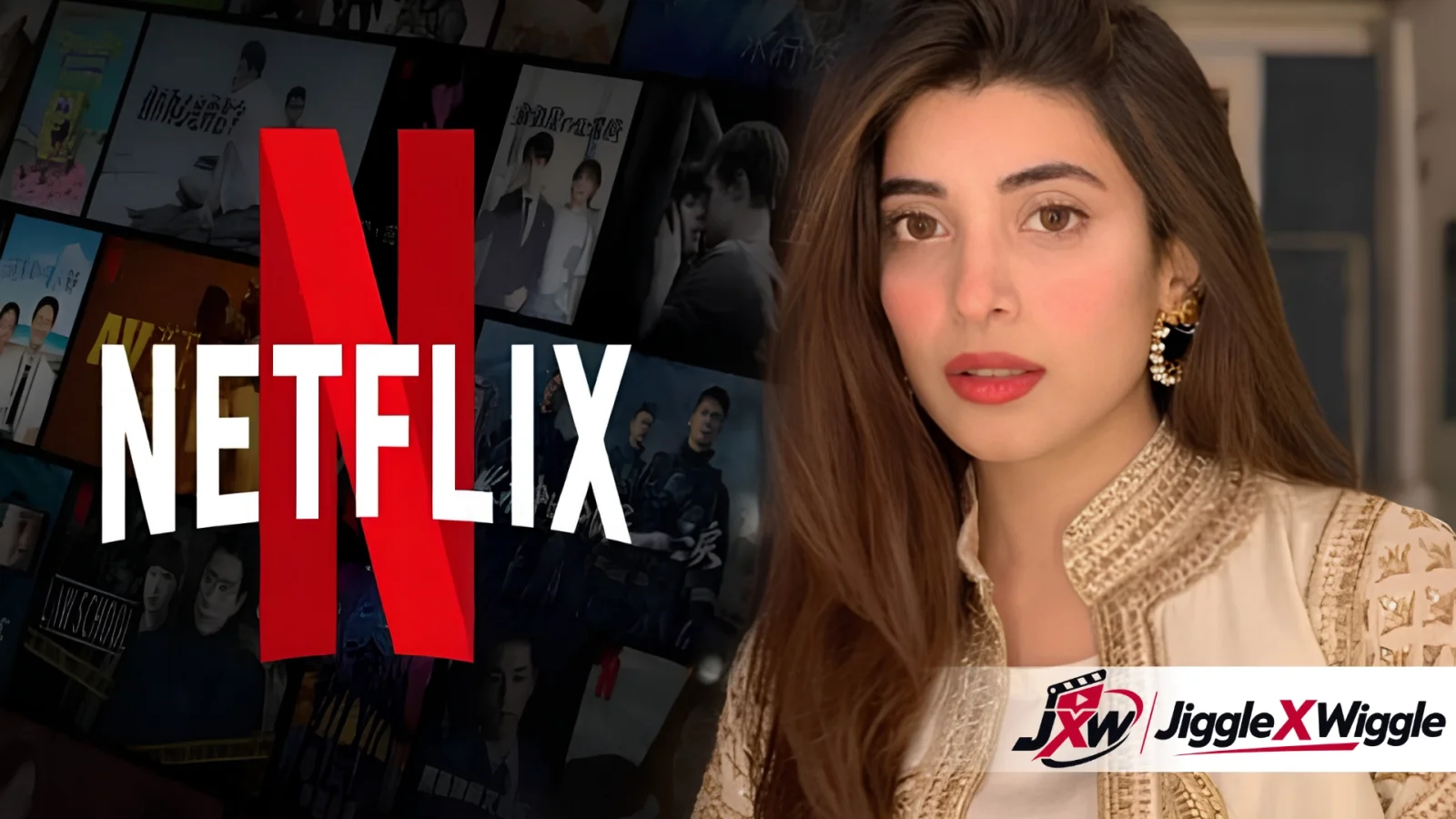
Actress Urwa Hocane has a message for people who praise Pakistani
dramas by comparing them to Netflix. She does not like it. In an
interview noted by
Dawn on November 1, 2026, Hocane said she finds it lame when someone associated with Pakistan's showbiz industry praises their product using the phrase Netflix quality. She thinks local productions are doing way better on their own, according to the
report. Her comment has sparked discussion about how Pakistani dramas should be judged, and whether they need international comparisons to be valued.
What Hocane actually said
Hocane, in the interview noted by Dawn, said she does not like it when people who are associated with Pakistan's showbiz industry praise their product using the phrase Netflix quality, according to the report. She finds it lame, because she thinks local productions are doing way better on their own. That is a strong statement, but it is also a proud one. Hocane is not criticising Netflix. She is criticising the habit of using Netflix as a benchmark for quality, as if Pakistani dramas need outside validation to be good. Her point is that Pakistani dramas have their own standards, and they meet them.
Why Netflix quality became a compliment
Netflix quality became a compliment in many countries, because Netflix productions are known for high budgets, good cinematography, and global reach. When people call a Pakistani drama Netflix quality, they usually mean it looks polished, well made, and professional. That sounds like praise, and it is often meant that way. Hocane's point is that this praise, even when well meant, still puts Netflix at the top, and Pakistani dramas below it. It suggests that the best a Pakistani drama can be is as good as Netflix, rather than good in its own right. That framing, Hocane argues, sells Pakistani dramas short.
The Pakistani drama standard
Pakistani dramas have a long history of quality storytelling, from classic serials to modern hits like Humsafar, Hum Bhi Jee Lian, and Dar-e-Nijaat. Their strength is in writing, acting, and emotional depth, not just in production values. They tell stories about family, faith, love, and social issues, in a way that resonates with Pakistani audiences and beyond. That strength does not need a Netflix comparison to be valid. It stands on its own, as Hocane says, and it is doing better on its own than many international productions. Her comment is therefore a call for confidence, not just criticism.
What Hocane hopes for next
Hocane said she awaits and hopes for the time when Netflix producers start calling their products Pakistani drama quality, according to the report. That reversal is telling. She is not just saying Pakistani dramas are good. She is saying they could become the benchmark themselves, if people recognised their quality. That is an ambitious hope, but it is not unrealistic. Pakistani dramas already have fans in many countries, through YouTube, streaming, and diaspora communities. If those dramas continue to improve, and if they get more global exposure, they could indeed become a standard that others aspire to.
The wider debate about validation
Hocane's comment touches on a wider debate about validation in entertainment. Many industries outside Hollywood and Netflix seek validation from larger platforms, because those platforms bring money, exposure, and prestige. That validation can help, but it can also create dependence. Artists may start making work to please Netflix, rather than to please their own audiences. Hocane's warning is against that dependence. She wants Pakistani artists to trust their own standards, and to make work that is good by Pakistani measures, not just by Netflix measures. That independence is important for cultural identity.
How fans and industry reacted
Fans and industry figures have discussed Hocane's comment online, with many agreeing that Pakistani dramas deserve recognition on their own terms. Others argue that Netflix quality is just shorthand for high production values, and that it should not be taken as an insult. Both views have merit, and the debate itself is useful, because it forces people to think about how they judge quality. Hocane's interview, by raising the issue, has started a conversation that goes beyond one phrase. It is about pride, standards, and the future of Pakistani entertainment.
Why this interview matters
Hocane's interview matters because it comes from an insider, not from a critic. She works in Pakistani showbiz, and she is speaking about her own industry with pride and frustration. That insider voice carries weight, because it shows that artists themselves want their work to be judged fairly. For viewers, her comment is a reminder to watch Pakistani dramas on their own terms, not through a Netflix lens. If they do, they may discover, as Hocane says, that local productions are doing way better on their own
Sources and reporting
- Dawn — Nov 1, 2026 · Confirms Urwa Hocane interview note, finds Netflix quality phrase lame, local productions doing way better on their own, hopes Netflix producers call products Pakistani drama quality
- The Express Tribune — Nov 1, 2026 · Confirms Pakistani drama scene in Nov 2026
- 24 News HD — Nov 1, 2026 · Confirms Pakistani drama scene in Nov 2026
Unconfirmed or reported, not stated as confirmed fact: Interview is reported via Dawn Grapevine summary, not a full transcript, so quotes are paraphrased from that summary. No specific drama by Hocane is named in the source, so none is claimed.