
A Story About Widows In 1938
Water is the third film in Deepa Mehta's Elements trilogy, after Fire and Earth. Set in 1938, it follows widows living in an ashram in Varanasi. In the customs of the time as shown in the film, widows were expected to live apart, shave their heads, wear white and give up many parts of normal life. The story centres on Chuyia, a young widow, and on Kalyani and Shakuntala, older widows who question those rules. Lisa Ray, Seema Biswas and Sarala played key roles in the final version.
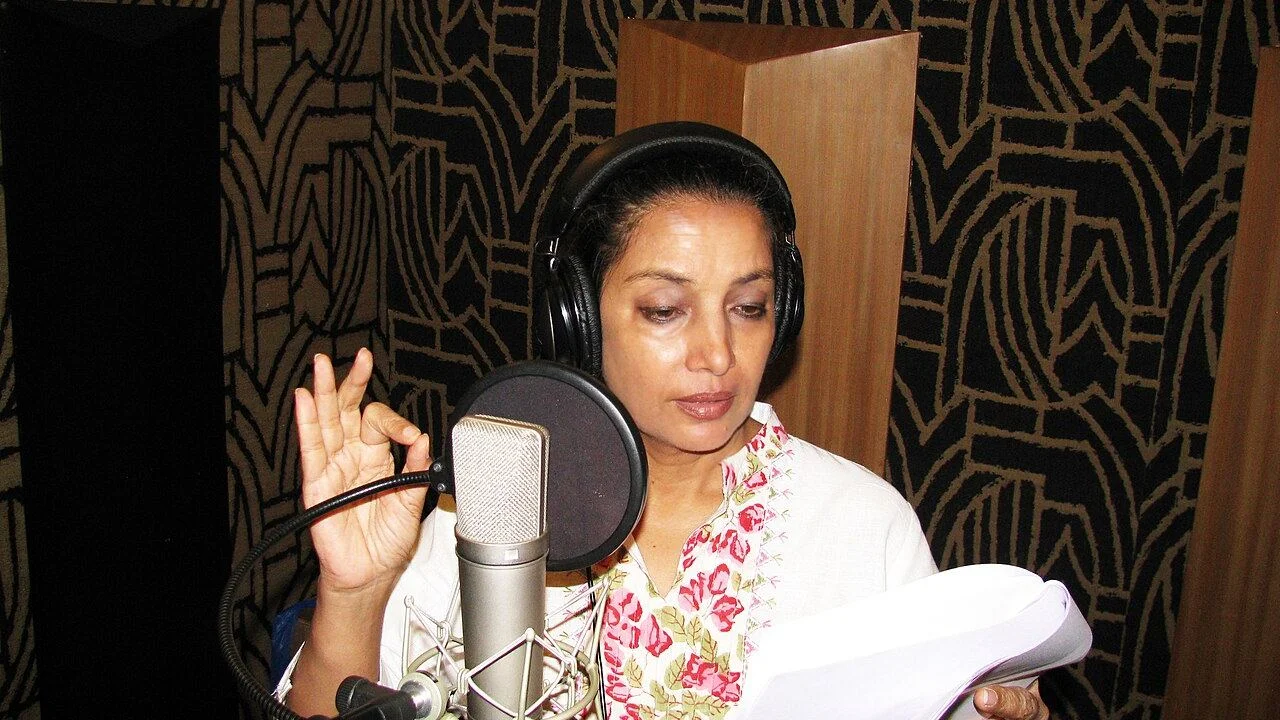
The original cast planned for 2000 included Shabana Azmi, Nandita Das and Akshay Kumar, according to production histories. That cast changed after the shutdown. The delay, the recasting and the move abroad all shaped the film that finally reached audiences in 2005. Viewers who saw Water in 2005 were therefore seeing a film that had already survived a production history as dramatic as its plot.
The Day The Set Was Destroyed
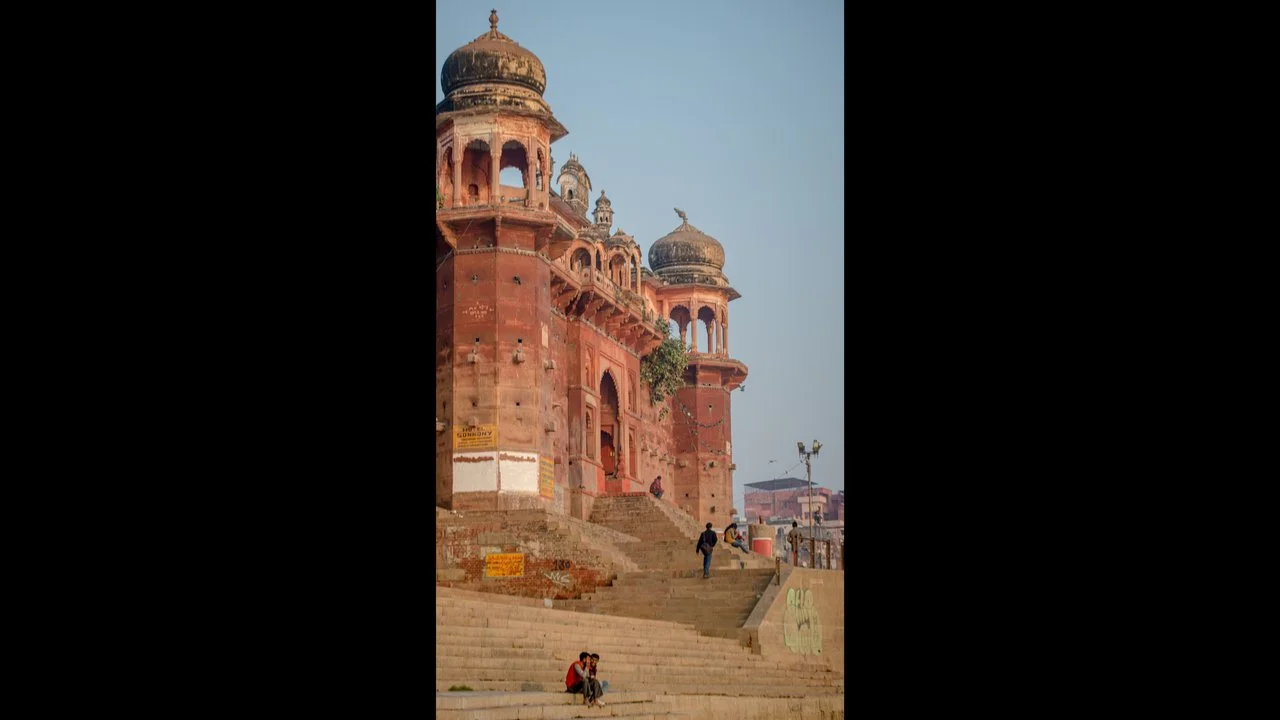
Filming was due to begin in Varanasi in February 2000. The day before shooting, the crew was told there were problems with location permits. The next day, protesters stormed the ghats, destroyed the main set, burned parts of it and threw remnants into the Ganges, according to multiple accounts. Estimates of the crowd vary. Some accounts put it at about 2,000 protesters. Others, including the TIFF encyclopedia entry, put it at about 20,000 people linked to groups in Uttar Pradesh. That gap in numbers is itself a sign of how contested the event became.
Protesters said the film denigrated Hinduism and the sanctity of widows and of Varanasi. Mehta was burned in effigy and received death threats, according to reports from the time. A doctored version of the script was alleged by supporters of the film to have been circulated to fuel anger. That allegation was made by the film's side and reported in later accounts. It was not proved by a court finding in the sources used here, and this article treats it as an allegation, not as an established fact about who circulated what.
Four Years, A New Country And A Fake Title
Mehta did not abandon Water. Four years later, filming resumed in Sri Lanka under the working title Full Moon, in secrecy. The move solved a practical problem. Sri Lanka offered river locations that could stand in for Varanasi without the same local pressure. It also created a new problem. A film about India, shot outside India, would face questions about authenticity. Mehta accepted that trade off rather than drop the story.
The Sri Lanka shoot used a new cast in key roles. Lisa Ray played Kalyani, Seema Biswas played Shakuntala and John Abraham played Narayan, a follower of Gandhi who questions widow customs. The film opened the Toronto Film Festival in 2005 and went on to international acclaim. It was nominated for an Oscar for Best Foreign Language Film as Canada's entry and won Genie Awards in Canada. In India, it released in 2007, seven years after the Varanasi shutdown, according to press reports of that release.
That timeline matters. A film stopped in 2000 did not reach Indian cinemas until 2007. By then, the debate had shifted. The film was discussed as a work of art and as a story about widows, not only as a protest event. But the protest still shaped its reputation. Water is remembered in India as much for what happened in Varanasi as for what happens on screen.
Why Varanasi Became The Flashpoint
Varanasi was not chosen by accident. It is a holy city, and widow ashrams there are part of its social history. A film that shows widows questioning their lot in that city touches faith, custom and local pride at once. Protesters said Mehta, who lived abroad, was defaming India for foreign audiences. Supporters said that charge confused criticism of a custom with criticism of a faith. They argued that showing a harsh custom is not the same as attacking belief itself.
The groups named in accounts include the BJP, the Vishwa Hindu Parishad and a local group called the Kashi Sanskrit Raksha Sangharsh Samiti. Some accounts also name a group formed for the protest. The exact mix of groups is reported differently in different sources, and this article does not present a single definitive list as proved. What is consistent across sources is that organised Hindu nationalist groups led the opposition and that local political pressure followed.
What Water Leaves Behind
Water's legacy is twofold. As a film, it brought the lives of widows in 1938 to a wide audience and earned major awards. As a production story, it showed how a film can be stopped without a formal ban. No censor board banned Water in 2000. Permission was withdrawn, a set was destroyed, and threats made continuation unsafe. That form of stopping a film is harder to challenge in court than a written ban, because there is no single order to appeal.
For film makers today, Water is a caution about location. A sensitive story shot in the place it depicts can draw local opposition that a studio shoot would avoid. For audiences, Water is a reminder to separate a film from its production row. The film's argument about widows can be judged on screen. The Varanasi events can be judged as a separate question about protest, safety and permission.
The closing facts need care on numbers and motives. Crowd estimates for the Varanasi protest vary from about 2,000 to about 20,000, and this article reports that range rather than choosing one figure as certain. The claim that a doctored script fuelled anger is alleged by the film's supporters and not proved by a court finding here. The claim that the film denigrated Hinduism was the protesters' stated objection, not a finding by a censor or court. What is established is the outcome: a set destroyed, a shoot stopped, a film remade in Sri Lanka, and a release that finally reached Indian audiences years later.
Sources and reporting
- TIFF Canadian Film Encyclopedia — Accessed 2026-11-04 · Verifies the Varanasi set destruction, the Ganges detail, the Sri Lanka shoot under Full Moon and the five sentences removed.
- The Canadian Encyclopedia — Accessed 2026-11-04 · Verifies the Elements trilogy place, the death threats, the Sri Lanka shoot and the Oscar nomination.
- PopMatters — Accessed 2026-11-04 · Verifies the doctored script allegation as reported, the four year gap and the Sri Lanka completion.