
A Romance Caught In A Dam Dispute
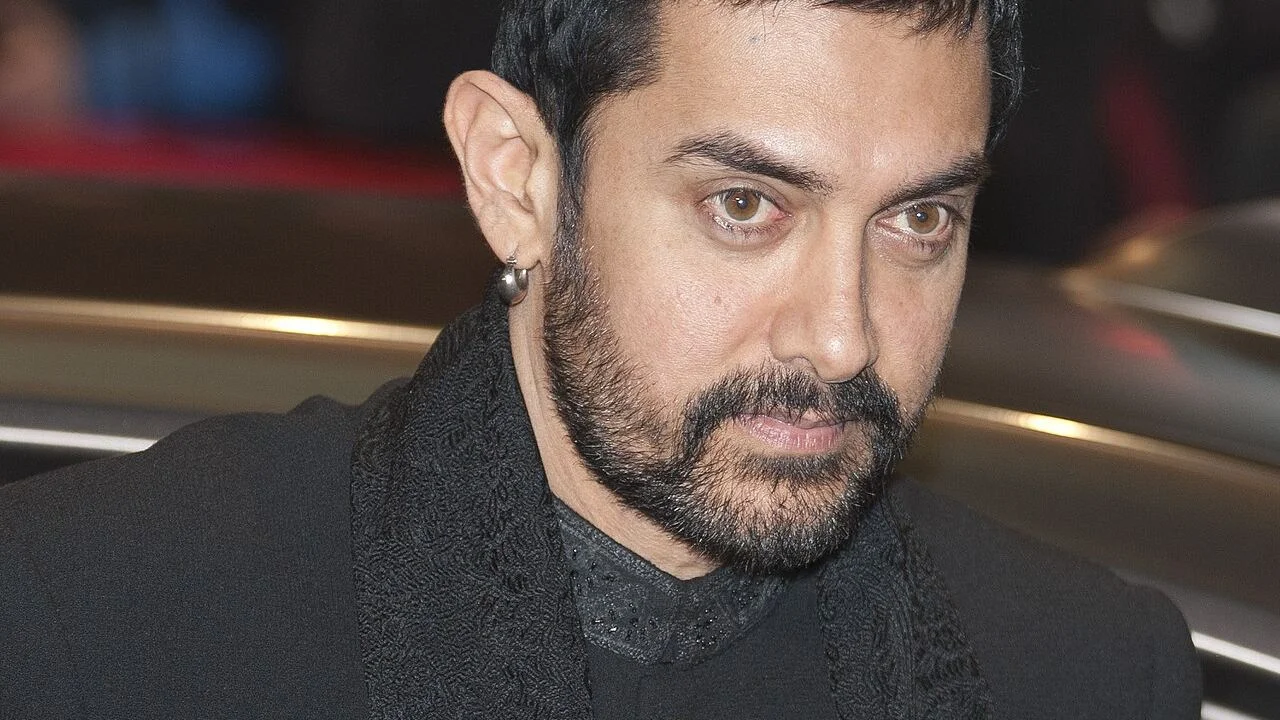
Fanaa, directed by Kunal Kohli, stars Aamir Khan as Rehan, a tourist guide in Delhi, and Kajol as Zooni, a blind Kashmiri woman. Their romance turns into a thriller when Rehan's past as a militant is revealed. The film was one of the most awaited Hindi releases of 2006. It released on 26 May 2006 across much of India and did strong business. In Gujarat, it did not release in the same way.
The reason had little to do with the film's plot. Weeks before release, Khan had expressed solidarity with the Narmada Bachao Andolan, a movement led by Medha Patkar that opposed raising the height of the Sardar Sarovar dam without proper rehabilitation of displaced people. Khan said he was not against the dam itself. He said displaced farmers should be rehabilitated first. That distinction became central to his defence, and it was lost in much of the political reaction.
The Sardar Sarovar project is seen in Gujarat as a lifeline for drought prone areas. It is also a project that displaced families in Gujarat, Maharashtra, Madhya Pradesh and Rajasthan. Khan cited a figure of about 35,000 families who would be displaced if the dam height was raised, according to his comments reported at the time. That figure is his cited estimate, not a figure verified here from official records. The dispute was therefore about rehabilitation and timing, not only about the dam.
The Boycott Call And The Unofficial Ban
The Bharatiya Janata Yuva Morcha, the youth wing of the BJP, called for a boycott of Fanaa in Gujarat and said no film starring Khan should be screened until he apologised. The opposition Congress in Gujarat also supported the boycott call, according to reports from May 2006. Multiplex and cinema owners in Gujarat then decided not to screen the film, citing fears of violent protest. That decision created what reports called an unofficial ban. It was not a formal ban order by the state government. It was a commercial decision under political pressure.
Khan refused to apologise. On 25 May 2006, he told reporters that he had done nothing wrong, that he was speaking for poor farmers who had lost land, and that he would not retract his remarks. He said he was first an Indian and then a Muslim, in response to claims that his stand was communal. He also said he was repeating what the Supreme Court had said on rehabilitation. That claim about the court's position is his argument, not a direct quote from a judgment reproduced here.
The Communist Party of India (Marxist) condemned the boycott and called it intolerance toward dissent. Producer Aditya Chopra later moved the Supreme Court seeking protection for cinemas that wanted to screen Fanaa, but that petition was rejected, according to film histories. Director Kunal Kohli said theatre owners who wished to release the film could seek protection and the government should support them. In practice, very few screens in Gujarat took that risk at the time.
Protests, Posters And A Self Immolation Attempt
The incident showed how a film boycott can spill into personal harm. It also showed the limits of an unofficial ban. Even when most cinemas held back, a single screening could become a flashpoint. For Khan, the episode became a defining moment in his public life. He was seen by supporters as a star who stood by displaced people at a cost to his film. He was seen by critics in Gujarat as a star who had insulted the state and its lifeline project.
Fanaa's business outside Gujarat was strong, which meant the boycott did not sink the film nationally. But it did cost the film a major market. Gujarat is a large Hindi film market, and a missing state release is a real commercial loss. That loss is why the case is still cited in debates about unofficial bans. A formal ban can be challenged in court. An unofficial ban, driven by exhibitor fear, is harder to challenge.
Why Fanaa Still Matters For Stars And Speech
Fanaa is now a case study in how a star's off screen remarks can affect a film. Khan did not make a political film. He made a romance thriller. His remarks about a dam, made while promoting the film in Gujarat, became the story. That sequence raises a question for stars. Should they avoid comment on sensitive local issues during promotion, or should they speak and accept the cost? Khan chose the second path in 2006, and he paid for it in Gujarat.
The case also shows the difference between a ban and a boycott. A ban is a state order. A boycott is a call, backed by threat, that leads exhibitors to self censor. Indian courts have struggled with the second form, because there is no single order to strike down. The Supreme Court's rejection of the protection petition in this case, as reported, left exhibitors to decide on their own. Most decided not to screen.
For audiences, the lesson is about access. A viewer in Gujarat in May 2006 could not easily watch a major Hindi film in a local cinema, not because a court banned it, but because cinemas feared trouble. That access gap is the real harm of an unofficial ban, even when the film succeeds elsewhere. It limits choice without a legal process.
The closing note flags unconfirmed items. Khan's figure of 35,000 displaced families is his cited estimate, not verified here from official data. The claim that his remarks were anti Gujarat was a political charge, denied by Khan, not a courtfinding. The link between the boycott call and the Jamnagar self immolation attempt is reported context, not a proved causal finding. What is established is the boycott call, Khan's refusal to apologise, the exhibitors' decision not to screen, and the Supreme Court petition outcome as reported.
Sources and reporting
- Oneindia — 25 May 2006 · Verifies Khan's refusal to apologise, the BJYM threat and the exhibitors' decision.
- SantaBanta — 26 May 2006 · Verifies the unofficial ban framing, the boycott call support and Khan's rehabilitation argument.
- Oneindia — 25 November 2015 · Verifies the longer history of the Narmada dispute and the Fanaa ban context.