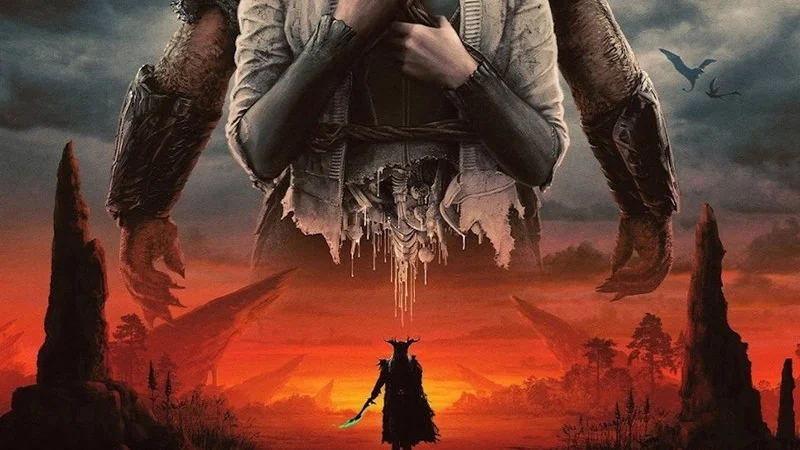

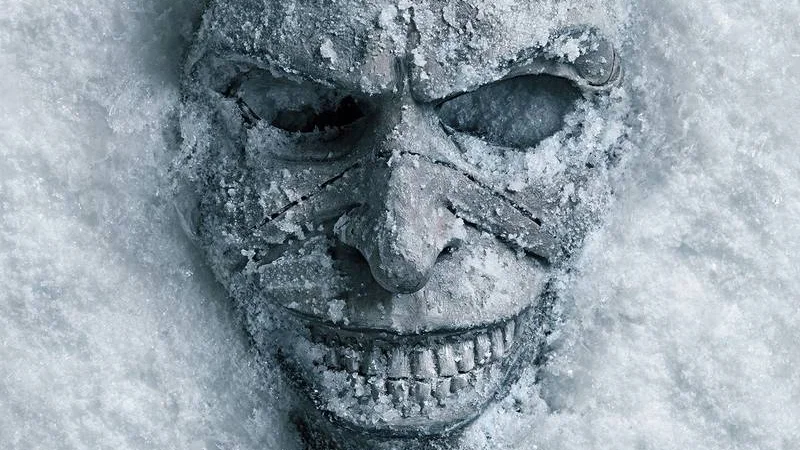
Scott Derrickson directs again. He co-wrote the script with C. Robert Cargill. The story is based on Joe Hill's short story world. The first film was a basement horror story. This one is a snow horror story. That change gives the sequel its own look and feel.
Four years later, the phone rings in dreams
The film is set in 1982, four years after Finney Blake escaped the Grabber's basement. Mason Thames plays Finney, now 17. He calls himself Finn now. He pretends he is fine. He is not. He drinks, he fights, and he pushes his pain down.
Madeleine McGraw plays Gwen, his younger sister, now 15. She carries their late mother's gift. She sees things in dreams. She hears calls from the black phone in her sleep. Those dreams pull her to Alpine Lake Camp, a Christian youth camp in Colorado.
Gwen dreams of three boys hunted at the camp in 1957. She sees their deaths in grainy, home video style visions. She begs Finn to go with her. Ernesto, played by Miguel Mora, joins them. Ernesto is the brother of Robin, a Grabber victim from the first film. He has his own reason to seek answers.
A blizzard traps them with the past
The trio reaches Alpine Lake in a blizzard. The camp trip is cancelled. They cannot leave. They share the camp with its owner Armando, played by Demian Bichir, his niece Mustang, played by Arianna Rivas, and two staff members, Kenneth and Barbara.
That setup is simple and strong. Snow locks the doors. Dreams unlock the past. Finn gets a call on a dead payphone from the Grabber. The killer claims he escaped Hell. He blames Finn for his death and for the death of his own brother. He wants revenge, and he targets Gwen.
The film shifts its center to Gwen here. McGraw carries that weight well. She is not a sidekick in this film. She is the lead in the fight. She sleepwalks through the camp. She meets the dead boys. She learns the Grabber's link to her own family past. That link is the film's darkest turn.
Family pain sits under the scares
Derrickson and Cargill use horror to talk about trauma. Finn avoids his past with anger. Gwen faces hers with visions she cannot control. Their father Terrence, played by Jeremy Davies, arrives by snowplow and joins the fight. He also has to face his own drinking and his own grief.
The film does not rush past that pain. It lets Gwen call out Finn and Terrence for hiding from their past. That scene gives the horror a human base. You care about these kids because you see what they lost and what chases them.
The camp itself helps. Snow, ice, and a frozen lake make every step feel risky. The Grabber's power grows in dreams, and dreams bleed into real life. Gwen's injuries in dreams show up on her body. That rule raises the stakes fast. Sleep is no longer safe.
The Grabber is angrier, and stranger
Hawke plays the Grabber with more glee this time. His mask decays across the film. His voice stays cruel. He is no longer just a man in a basement. He is a presence in the dream world, with power over the camp's dead.
The film borrows from Nightmare on Elm Street in its dream logic, but it keeps its own rules. The kids must find the bodies of the three boys under Lake Maru. Finding them weakens the Grabber. That quest gives the third act a clear goal. It also leads to a strong finish under the ice.
Critics gave the film generally positive reviews. Rotten Tomatoes lists 72 percent positive from 196 critics. Metacritic lists 61 out of 100. CinemaScore audiences gave it a B, down from the first film's B plus. That gap is fair. Fans of the first film may want more basement tension. Fans of dream horror will find more to like here.
The numbers, and what they mean
The film earned $77.4 million in the United States and Canada, plus $55.3 million abroad, for $132.7 million worldwide. It opened with $27.3 million in its first weekend in the United States. That weekend topped the box office and pushed Tron: Ares from the top spot.
On a $30 million budget, that result is a clear win for Blumhouse. Horror films live on tight budgets and strong openings. This one did both. It also reached digital on November 4, 2025, so home viewers found it fast after cinemas.
Will there be a third film
Derrickson said in October 2025 that he would only make a third film if the story could beat the first two. Hawke said he would like to return and dig into the Grabber's past, his time in Hell, and his hauntings. Joe Hill said more sequels are possible, but they depend on money and on a story worth telling. Cargill echoed that view.
That stance is healthy. Horror series often rush a third film and lose what made them work. This team says it will wait for a worthy idea. You should take that as good news, even if it means a longer wait.
Unconfirmed or reported, not stated as confirmed fact: any third film, its story, and Hawke's return are stated hopes from the makers in interviews, not a confirmed studio plan with a date or cast.
Sources and reporting
- Wikipedia — 2026 · Verifies the September 20, 2025 Fantastic Fest premiere, October 17, 2025 US date, 114 minute runtime, $30 million budget, and $132.7 million gross.
- Parade — November 5, 2025 · Verifies the cast, the Alpine Lake plot, Gwen's dream calls, and the November 4, 2025 digital release.
- Screen Daily — 2025 · Verifies the 1982 setting, the camp move from Denver, and the dream horror approach.