

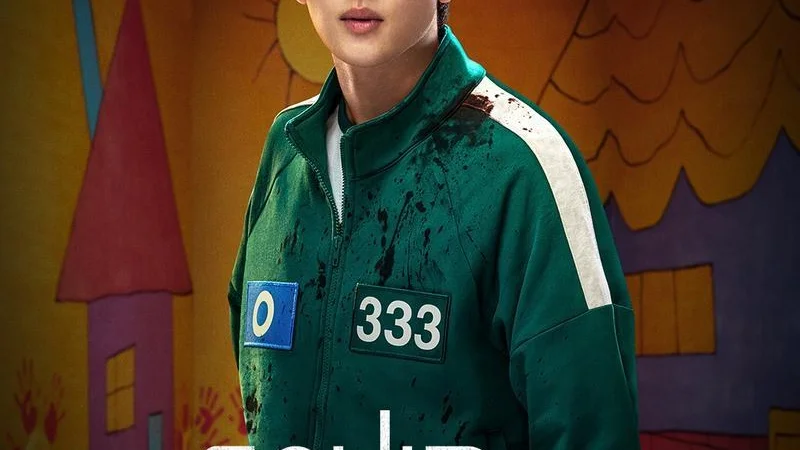
In August 2026, The Playlist reported, via NME, that David Fincher's English language Squid Game project is no longer moving forward at Netflix. The project was never officially announced by Netflix, but it had been widely reported since 2023, with Utopia writer Dennis Kelly attached to write, under the reported title Heckler. Sources close to Netflix told The Playlist the project was scrapped as the company reconsiders plans for one of its signature franchises, with Fincher's schedule and a shift toward international spinoffs cited as factors.
That update matters because it changes how fans should watch the finale. If a US series was coming, Blanchett's scene was a trailer. If no US series is coming, her scene is a warning: the system that ran the games in Korea can appear anywhere, even after one version of it is exposed. Creator Hwang Dong-hyuk has said much the same, that Blanchett's scene was meant to show exploitative systems keep reproducing themselves, rather than to launch a shared universe.
How the final season closed Gi-hun's story
Squid Game premiered in September 2021 and became Netflix's most watched show ever, earning Emmy wins for Hwang and for lead actor Lee Jung-jae. Season two arrived December 26, 2024, recasting Gi-hun's airport decision as the start of a mission to destroy the games from inside. Season three, released June 27, 2025, just six months after season two, finished that mission with a brutal final run of games.
The final season pushed its anti capitalist themes to new extremes, including the shocking inclusion of a newborn infant as a contestant, a choice that divided viewers and critics. Gi-hun faced the Front Man, played by Lee Byung-hun, in a deadly showdown that forced him to choose between survival, sacrifice, and the principles he had clung to since season one. The ending did not offer easy comfort. It offered a verdict on what the games do to people, and what it costs to resist them.
Hwang has said the story he set out to tell about Gi-hun reached its natural conclusion by the end of season three. He chose to finish on his own creative terms, rather than extending the narrative beyond its intended shape. That stance is important for fans who want more: the core story is done, by design, not by cancellation. Any future Squid Game project would be a new story in the same world, not a continuation of Gi-hun's arc.
The Fincher project: what was reported, and what changed
Fincher's name gave the US project instant weight. He directed Se7en, Fight Club, and Zodiac, and his cold, precise style seemed a natural fit for a US take on the games. Reports from 2024 said Hwang welcomed the idea of other creators from different countries taking their own versions of Squid Game and joining the universe, calling it a huge honour. Blanchett herself said she was wildly open to returning, while adding she did not know anything about the proposed Fincher series at that time.
The August 2026 reports say the project was dropped because of Fincher's schedule and because Netflix had shifted toward several international spinoffs instead. Fincher's next film, The Adventures of Cliff Booth, with Brad Pitt reprising his role from Once Upon a Time in Hollywood, arrives in cinemas November 25, before landing on Netflix December 23. That busy slate leaves little room for a large series, and Netflix appears to have chosen a different path for the franchise.
Netflix still reportedly plans to expand Squid Game with different localised versions around the world, but no details of those versions have been confirmed. That approach fits the show's global success: the games work as a format that can be reset in different countries, with different players, different debts, and different social pressures. A Korean story about debt and class becomes, in another country, a story about that country's own divides. The format travels, even if Gi-hun does not.
How to rewatch the complete story
For fans, the best move is to rewatch the original three seasons as a complete story. Season one introduces the games, season two turns Gi-hun into a rebel, and season three closes his fight. Watch Blanchett's final scene last, and ask what it means now: not a promise of more, but a warning that the games persist wherever desperation meets a system willing to profit from it. That reading is darker, but it is also closer to what Hwang built the show to say.
All three seasons are streaming on Netflix now, alongside The Challenge. If Netflix announces a localised version, it will likely arrive with its own cast, its own country, and its own take on the same cruel question: how far will you go when money is the only way out.
Unconfirmed or reported, not stated as confirmed fact: the Fincher scrapping, the shift to international spinoffs, the VIP Challenge claim, and any future localised versions are reported and should be treated as reported until Netflix confirms them. The June 27, 2025, final season date, the Blanchett cameo, and Hwang's comments on the ending are based on published reporting.
Sources and reporting
- NME — 2026-08-08 · Verifies the Fincher project scrapped report, the Heckler title, and the localised versions plan.
- Softonic — 2026-10-10 · Verifies the changed reading of Blanchett's cameo and the August 2026 reports.
- Daily Asian Age — 2026 · Verifies the Blanchett Los Angeles cameo, the June 2025 final season, and Gi-hun's story close.